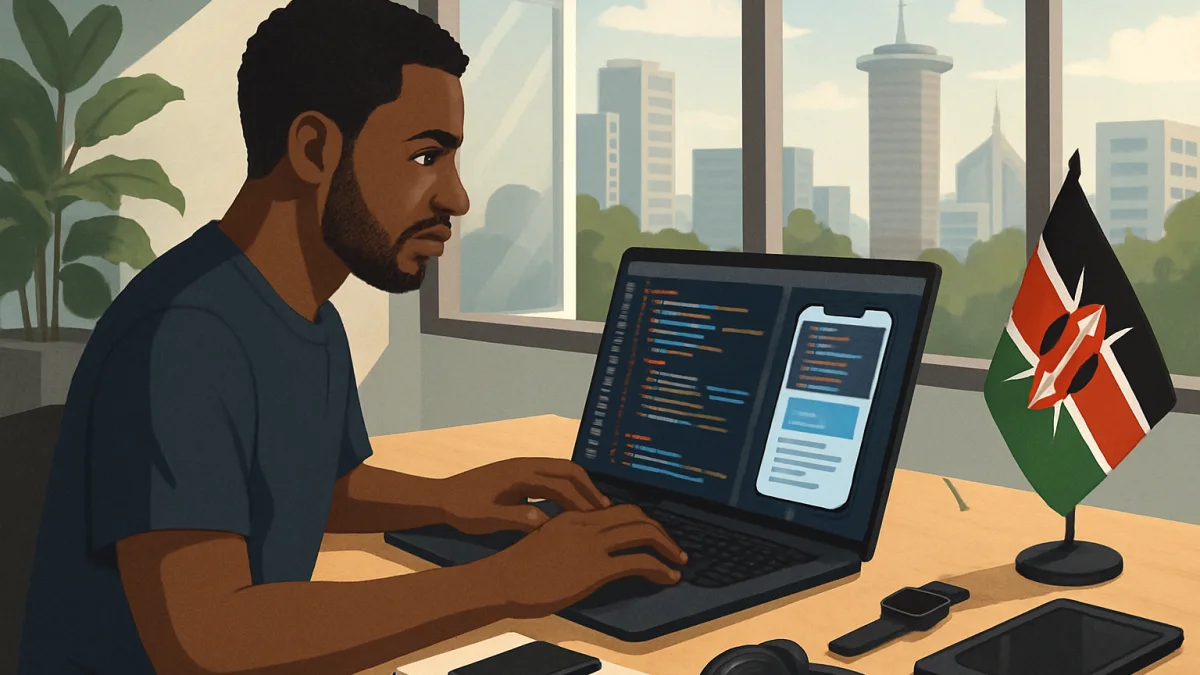
Understanding Where to Find App Developers in Kenya You Can Actually Vet Before Hiring
Finding reliable app developers in Kenya requires more than just browsing online listings. It involves understanding the local market, the platforms you want to target, and the practical considerations that affect development, rollout, and ongoing support. This article guides Kenyan organisations on where to find app developers you can genuinely vet before hiring, ensuring your investment yields a quality mobile app tailored to your needs.
Choosing the Right Platform for Your App
The first step when engaging app developers is deciding which platform(s) your app will serve. Android dominates the Kenyan market due to the widespread use of affordable smartphones. Developers often use Java or Kotlin for native Android apps, guided by resources such as the official Android developers documentation. iOS apps, built with Swift or Objective-C, target Apple devices but have a smaller user base locally. Cross-platform frameworks like Flutter or React Native can also be considered to reach both platforms efficiently. Your choice affects development cost, timeline, and maintenance.
Realistic Cost Drivers in the Kenyan App Development Market
Costs for app development in Kenya vary widely depending on complexity, platform, and developer expertise. Qaribuhub publicly shares packages and cost ranges that can serve as a reference for budgeting. Factors influencing cost include user interface design, backend integration, offline capabilities, and payment gateway integration. Local developers may offer competitive rates compared to international markets, but quality and experience should guide your choice more than price alone.
Publishing and Rollout Considerations
Before publishing your app, ensure your developers understand the requirements of app stores. The Apple App Store has strict review guidelines that can affect approval timelines and app features. Google Play is more flexible but still requires compliance with policies. Developers should assist with preparing app store listings, metadata, and compliance documentation. A smooth rollout involves testing on local devices and planning updates based on user feedback.
Offline Functionality and Local Network Challenges
Kenya’s mobile networks can be inconsistent in some regions, so offline capabilities are essential for many apps. Developers should design apps that cache data locally and sync when connectivity is available. This approach improves user experience for field workers, rural users, and organisations with intermittent internet access. Discuss offline needs clearly during vetting to ensure your app functions reliably in your target environment.
Integrating Payment Systems Locally
Payment integration is a common requirement for Kenyan apps, especially e-commerce and service platforms. Safaricom’s Daraja API enables M-Pesa payment processing and is widely supported by local developers. Central Bank of Kenya regulates mobile money services, so compliance is crucial. Developers should demonstrate experience integrating payment gateways securely and handling transaction data responsibly.
Data Protection and Privacy Compliance
Kenya’s Data Protection Act, 2019, governs how personal data must be handled. When hiring app developers, confirm their understanding of data privacy principles and secure coding practices. Your app should include features for user consent, data access requests, and secure storage. The Office of the Data Protection Commissioner offers guidance and resources to help organisations comply with the law.
Source Code Ownership and Intellectual Property
Clarify ownership of the app’s source code before starting development. Kenyan organisations should ensure contracts specify that they retain full rights to the code and any associated intellectual property. This protects your ability to maintain, update, or transfer the app in the future without restrictions. Vet developers by reviewing their standard agreements and requesting references regarding IP arrangements.
A Practical Procurement Checklist for Vetting App Developers
- Confirm developer experience with your chosen platform (Android, iOS, cross-platform).
- Request portfolios or case studies demonstrating relevant app projects.
- Check references or client testimonials for reliability and quality.
- Discuss data protection compliance and security measures.
- Verify understanding of local payment integration (e.g., M-Pesa).
- Clarify source code ownership and intellectual property rights.
- Review development timelines and post-launch support plans.
- Ensure transparency on pricing and any additional costs.
- Test communication responsiveness and project management tools.
- Confirm ability to build offline functionality if required.
Risks to Watch Out For When Hiring App Developers in Kenya
- Choosing developers without verified experience can lead to poor-quality apps.
- Ignoring data privacy laws risks legal penalties and user trust loss.
- Underestimating costs may cause project delays or incomplete features.
- Lack of clarity on source code ownership can restrict future app modifications.
- Failure to plan for app store compliance may delay app launch.
- Not considering offline needs can alienate users in low-connectivity areas.
- Inadequate payment integration expertise can cause transaction failures.
Special Considerations for CBD Organisations in Kenya
CBD organisations face unique challenges due to regulatory scrutiny and payment restrictions. When seeking app developers, ensure they understand the legal landscape and can build compliant solutions. Qaribuhub Solutions LTD operates from Westlands, Nairobi, and can advise on building apps that serve CBD businesses while respecting local laws and data privacy requirements.
Next Steps: How to Proceed After Finding Potential Developers
Once you identify potential app developers, arrange detailed consultations to discuss your project scope, timelines, and budget. Request a written proposal outlining deliverables, milestones, and payment terms. Consider starting with a smaller pilot project to evaluate the developer’s capabilities before committing to a full-scale app. Maintain clear communication throughout development and plan for ongoing maintenance and updates post-launch.
Summary: mobile app development services in Kenya You Can Actually Vet
Finding app developers in Kenya who can be thoroughly vetted involves understanding platform options, cost drivers, compliance requirements, and practical rollout considerations. Use a structured procurement checklist to evaluate candidates on experience, legal compliance, technical skills, and communication. Prioritise developers who demonstrate transparency and local market knowledge. This approach helps Kenyan organisations invest wisely in mobile apps that meet their users’ needs and regulatory standards.
Frequently Asked Questions About Finding App Developers in Kenya
Here are some common questions Kenyan organisations ask when searching for app developers and how to address them effectively.
- How do I verify a developer’s experience? Request portfolios, case studies, and client references to confirm their track record.
- What platforms should I target first? Android is dominant in Kenya, but consider iOS or cross-platform depending on your audience.
- How much should I budget for app development? Costs vary; refer to local packages like those from Qaribuhub for realistic estimates.
- What about data protection? Ensure developers comply with Kenya’s Data Protection Act and implement secure data handling.
- Can I integrate M-Pesa payments? Yes, many developers have experience integrating Safaricom’s Daraja API for mobile money.
- How do I handle app store approvals? Work with developers familiar with Apple and Google policies to avoid delays.
- Who owns the app’s source code? Clarify ownership in your contract to maintain control over your app.
- What if my users have poor internet? Plan for offline functionality to improve usability in low-connectivity areas.
Frequently asked questions
Where can I find experienced app developers in Kenya?
Look for developers with verified portfolios and client references. Local companies like Qaribuhub Solutions LTD in Westlands offer mobile app development services with transparent packages.
What platforms are best for Kenyan users?
Android is the most widely used platform in Kenya, but depending on your target audience, iOS or cross-platform frameworks may also be suitable.
How do I ensure my app complies with data protection laws?
Work with developers knowledgeable about Kenya’s Data Protection Act, 2019, and ensure your app includes features for user consent and secure data management.
Can I integrate M-Pesa payments into my app?
Yes, many Kenyan developers integrate Safaricom’s Daraja API to enable M-Pesa payments securely within apps.
What should I check before hiring an app developer?
Verify their experience, data protection compliance, payment integration skills, source code ownership terms, and communication responsiveness.
How much does app development cost in Kenya?
Costs vary by complexity and features. Qaribuhub provides public packages and cost ranges that can guide your budgeting.
What if my app users have limited internet access?
Discuss offline functionality with developers to ensure your app can operate reliably without constant connectivity.
Sources and further reading
- Relevant service scope — Qaribuhub
- Public packages and cost ranges — Qaribuhub
- Kenya Data Protection Act, 2019 (PDF) — ODPC Kenya
- Safaricom Daraja developers — Safaricom
- Apple App Store Review Guidelines — Apple