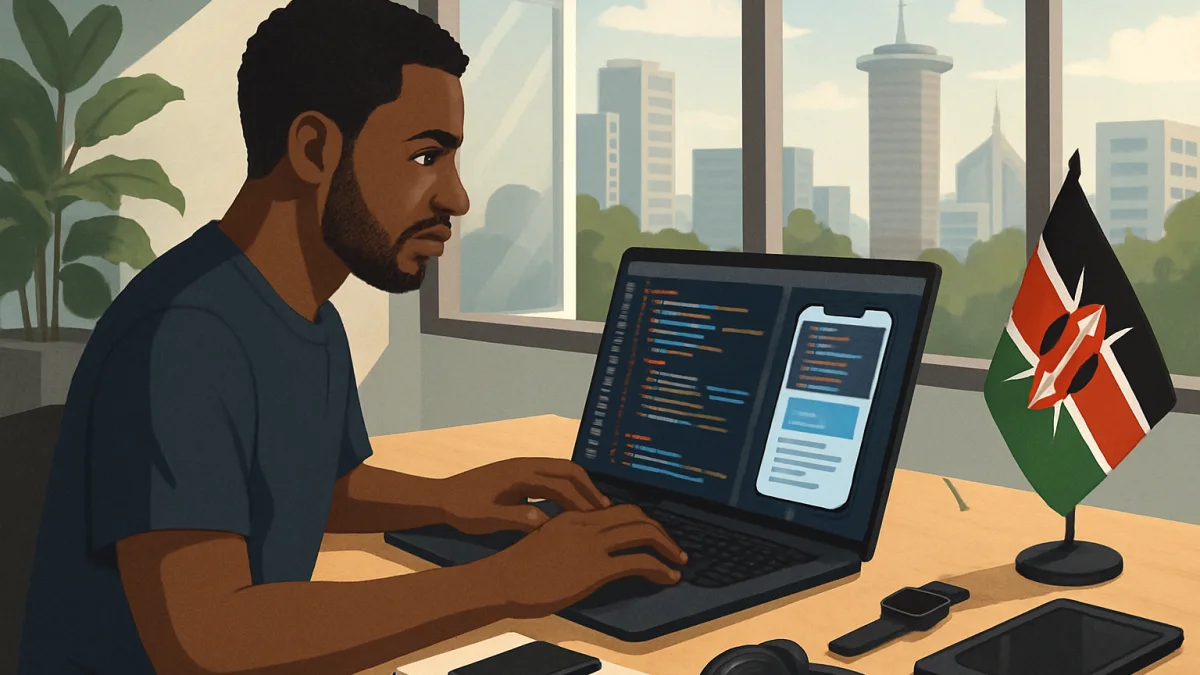
Understanding the Landscape of Android App Development in Kenya
Kenya’s mobile-first economy makes Android app development a strategic priority for many organisations. Android dominates smartphone usage due to affordability and accessibility. Selecting the best Android app developers in Kenya involves more than just cost or portfolio review; it requires a comprehensive understanding of platform choices, local cost drivers, publishing processes, offline capabilities, payment integration, data protection, and intellectual property considerations.
Platform Choices: Native, Cross-Platform, or Hybrid?
Android apps can be developed natively using Java or Kotlin, or through cross-platform frameworks like Flutter or React Native. Native development offers optimal performance and access to device features but may increase cost and development time. Cross-platform approaches reduce time and cost by sharing code across Android and iOS but might limit some native capabilities. Kenyan organisations should assess their target users, required features, and budget when choosing the development approach.
Realistic Cost Drivers for Android App Development in Kenya
Costs vary based on app complexity, developer expertise, platform choice, and integration needs. In Kenya, hourly rates for skilled developers typically range from KES 1,500 to KES 5,000, depending on experience and technology stack. Qaribuhub Solutions LTD offers transparent packages reflecting these factors, with clear pricing for basic to advanced apps (see Qaribuhub packages). Additional costs include app publishing fees, ongoing maintenance, and third-party service integrations.
Publishing and Rollout: Navigating Google Play Store Requirements
Publishing an Android app involves compliance with Google Play Store policies, including content guidelines, user data handling, and security standards. Developers must prepare app listings, screenshots, and privacy policies. Rollout strategies can be staged, starting with beta releases to test groups before full public launch. Kenyan developers familiar with local market conditions can help tailor rollout plans to maximise adoption and feedback.
Offline Functionality: Meeting Kenya’s Connectivity Realities
Given intermittent internet access in many Kenyan regions, offline capabilities are critical. The best Android app developers design apps that cache data locally, queue user actions, and synchronise when connectivity resumes. This ensures usability for field officers, rural users, and customers in low-bandwidth areas, improving user experience and retention.
Payment Integration: Leveraging Local Mobile Money Ecosystems
Integrating payment systems like M-Pesa is essential for many Kenyan apps. Developers must use secure APIs such as Safaricom’s Daraja to enable seamless mobile money transactions. This integration supports e-commerce, subscription services, and donations, aligning with local user preferences and regulatory requirements overseen by the Central Bank of Kenya.
Data Protection and Privacy Compliance
Kenya’s Data Protection Act, 2019 mandates strict handling of personal data. Android app developers must implement secure data storage, encryption, and user consent mechanisms. Transparency about data use and compliance with the Office of the Data Protection Commissioner’s guidelines is non-negotiable. Selecting developers who prioritise privacy reduces legal risks and builds user trust.
Source Code Ownership and Intellectual Property
Kenyan organisations should clarify source code ownership upfront. The mobile app development services provide full source code and documentation upon project completion, enabling future maintenance or transfer. Clear contracts prevent disputes and secure organisational control over digital assets.
Methodology for Comparing Android App Development Teams
Our comparison framework evaluates teams based on technical expertise, portfolio relevance, cost transparency, compliance with Kenyan laws, ability to integrate local payment solutions, offline functionality, and post-launch support. We prioritise evidence such as case studies, client feedback, and demonstrated knowledge of Kenya’s market and regulatory environment. This approach avoids subjective rankings and focuses on practical fit for Kenyan organisations.
Checklist for Procuring Android App Development Services in Kenya
Risks to Consider When Choosing Android App Developers
Common risks include hidden costs, inadequate data protection, poor offline support, failure to comply with local regulations, and lack of source code delivery. Choosing developers without proven experience in Kenya’s mobile ecosystem can lead to apps that underperform or face rejection from app stores. Transparent communication and evidence-based evaluation mitigate these risks.
Next Steps: Engaging with Android App Developers in Westlands, Nairobi
For organisations seeking reliable Android app development, engaging local teams based in tech hubs like Westlands, Nairobi, offers advantages in accessibility and market knowledge. Qaribuhub Solutions LTD provides tailored Android app development services with transparent pricing, compliance with Kenyan data laws, and integration expertise. Contacting developers early to discuss your project needs, budget, and timeline is crucial for a successful partnership.
FAQs on Choosing the mobile app development services in Kenya
Q: What programming languages are commonly used for Android app development? A: Java and Kotlin are the primary languages for native Android apps. Cross-platform frameworks like Flutter use Dart, while React Native uses JavaScript.
Q: How much does it typically cost to develop an Android app in Kenya? A: Costs vary widely but expect hourly rates between KES 1,500 and KES 5,000. Total project costs depend on complexity and features.
Q: Is it necessary to integrate mobile money payments in Kenyan apps? A: For commercial or donation apps, integrating M-Pesa or similar services is highly recommended to meet user expectations and facilitate transactions.
Q: How do I ensure my app complies with Kenya’s data protection laws? A: Work with developers knowledgeable about the Data Protection Act, implement user consent, secure data storage, and transparent privacy policies.
Q: What should I expect regarding source code ownership? A: Ensure your contract specifies that you will receive full source code and documentation upon project completion for future maintenance or transfer.
Frequently asked questions
What programming languages are commonly used for Android app development?
Java and Kotlin are the primary languages for native Android apps. Cross-platform frameworks like Flutter use Dart, while React Native uses JavaScript.
How much does it typically cost to develop an Android app in Kenya?
Costs vary widely but expect hourly rates between KES 1,500 and KES 5,000. Total project costs depend on complexity and features.
Is it necessary to integrate mobile money payments in Kenyan apps?
For commercial or donation apps, integrating M-Pesa or similar services is highly recommended to meet user expectations and facilitate transactions.
How do I ensure my app complies with Kenya’s data protection laws?
Work with developers knowledgeable about the Data Protection Act, implement user consent, secure data storage, and transparent privacy policies.
What should I expect regarding source code ownership?
Ensure your contract specifies that you will receive full source code and documentation upon project completion for future maintenance or transfer.
Sources and further reading
- Relevant service scope — Qaribuhub
- Public packages and cost ranges — Qaribuhub
- Project delivery questions — Qaribuhub
- Privacy and data handling — Qaribuhub
- Company capabilities and contact details — Qaribuhub
- Case studies index — Qaribuhub
- Kenya Data Protection Act, 2019 (PDF) — ODPC Kenya
- Safaricom Daraja developers — Safaricom