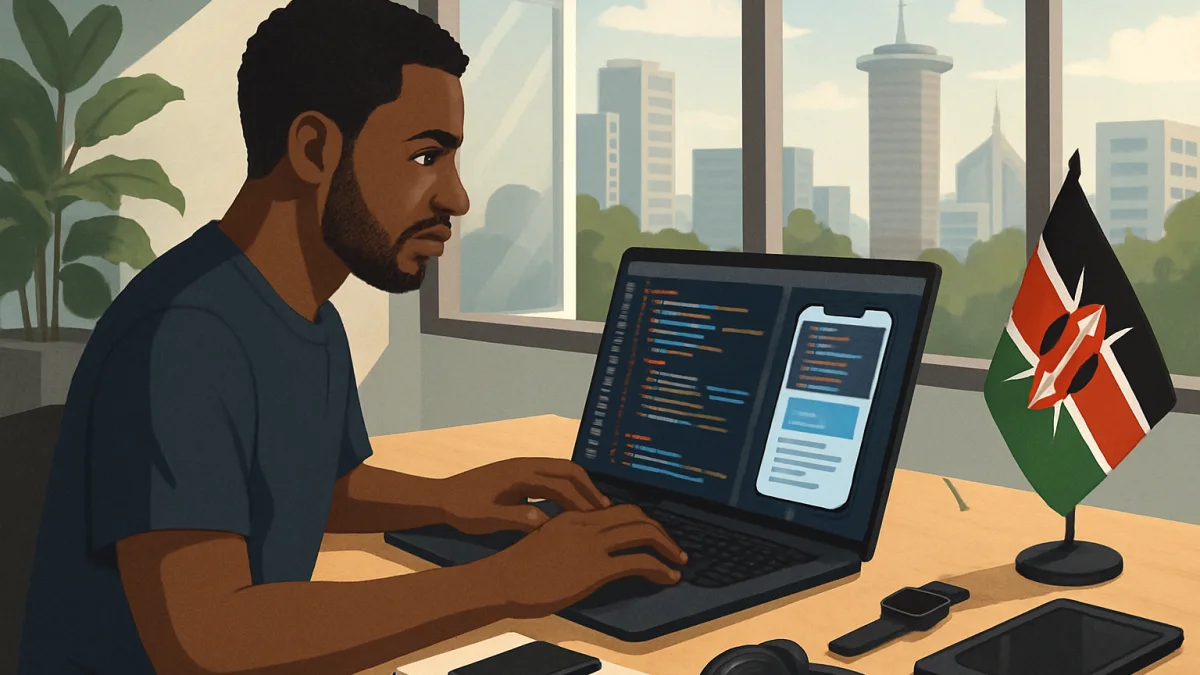
Understanding Platform Choices for Kenyan Apps
Choosing the right platform is a foundational step when engaging app developers in Kenya. The primary platforms are Android and iOS, each with distinct characteristics. Android dominates the Kenyan market due to the widespread use of affordable smartphones, making it a practical starting point for many projects. iOS, while less prevalent locally, offers access to a premium user base and stringent app quality standards. Developers may also suggest cross-platform frameworks like React Native or Flutter to build apps that run on both platforms, balancing cost and reach. Your choice depends on your target audience, budget, and desired features.
Realistic Cost Drivers for App Development in Kenya
Costs for app development in Kenya vary widely based on complexity, platform, and features. Qaribuhub Solutions LTD offers public packages that provide a transparent range of pricing for typical projects (see https://www.qaribuhub.co.ke/packages.html). Basic apps with simple functionality and limited integrations may start from moderate budgets, while complex apps with custom software, payment integrations, or offline capabilities require higher investment. Additional factors affecting cost include user interface design, backend infrastructure, and ongoing maintenance. It is important to budget realistically and discuss all requirements upfront with your developer to avoid surprises.
Typical Development Timelines and Rollout Strategies
Development timelines depend on project scope and complexity. Simple apps can take as little as 6 to 8 weeks, while more complex solutions may require several months. The process includes requirements gathering, design, development, testing, and deployment. Kenyan app developers often recommend phased rollouts, starting with a minimum viable product (MVP) to gather user feedback before full-scale launch. Publishing on app stores such as Google Play and Apple App Store involves compliance with their respective guidelines (https://developer.android.com/ and https://developer.apple.com/app-store/review/guidelines/), which can add time for review and approval. Planning for these stages ensures smoother delivery.
Addressing Offline Needs in Kenyan Apps
Given variable internet connectivity in many parts of Kenya, offline functionality is often a critical requirement. Apps designed with offline capabilities can store data locally and sync with servers once connectivity is restored. This approach improves usability for field workers, rural users, and organisations operating in low-bandwidth environments. Developers must plan for data conflict resolution and secure local storage. Qaribuhub’s experience includes building apps with offline workflows tailored to Kenyan contexts, ensuring reliable performance regardless of network availability (https://www.qaribuhub.co.ke/services.html).
Integrating Payment Systems: M-Pesa and Beyond
Payment integration is a common feature in Kenyan apps, especially for e-commerce, finance, and service platforms. Safaricom’s M-Pesa is the dominant mobile money service, and developers often use the Daraja API (https://developer.safaricom.co.ke/) to enable seamless payments within apps. Integration requires compliance with Central Bank of Kenya regulations (https://www.centralbank.go.ke/) and secure handling of user data. Other payment gateways may also be integrated depending on business needs. Working with developers experienced in these integrations ensures smooth, secure transactions for your users.
Data Protection and Privacy Compliance in Kenya
Kenya’s Data Protection Act, 2019 (https://www.odpc.go.ke/wp-content/uploads/2024/02/TheDataProtectionAct__No24of2019.pdf) mandates strict guidelines for collecting, storing, and processing personal data. App developers must build systems that comply with these rules, including obtaining user consent, securing data, and enabling user rights such as access and correction. The Office of the Data Protection Commissioner (https://www.odpc.go.ke/) provides oversight and guidance. Ensuring your app meets these standards protects your organisation from legal risks and builds user trust. Discuss data handling policies clearly with your developer before starting the project.
Source-Code Ownership and Intellectual Property Rights
Clarifying source-code ownership upfront is essential when contracting app developers in Kenya. Ownership affects your ability to modify, extend, or port the app in the future. Some developers retain rights to reuse code components, while others transfer full ownership to the client. Qaribuhub Solutions LTD provides transparent terms regarding intellectual property as part of its project delivery (https://www.qaribuhub.co.ke/faq.html). Ensure your contract explicitly states ownership, licensing, and any third-party dependencies to avoid disputes later.
Procurement Checklist for Engaging mobile app development services
Risks and How to Mitigate Them
Serving CBD and Regulated Industries with App Development
While Qaribuhub Solutions LTD is based in Westlands, Nairobi, it supports clients across sectors including those in the CBD and regulated industries such as finance and healthcare. Developing apps for these sectors requires additional compliance with industry standards and regulations. For example, finance apps must align with Central Bank of Kenya guidelines, while healthcare apps must protect sensitive patient data. Transparent communication about these requirements early in the project helps ensure compliance and smooth delivery.
Next Steps: Engaging with mobile app development services
Choosing the right app developer in Kenya involves balancing cost, timeline, platform, and compliance considerations. By understanding these factors and using a clear procurement checklist, organisations can make informed decisions that lead to successful app projects. Qaribuhub Solutions LTD offers transparent services and expertise to guide you through this process, ensuring your app meets your goals and regulatory requirements.
Additional Resources and References
FAQs About mobile app development services
Q: What is the typical cost range for app development in Kenya? A: Costs vary by complexity but basic apps can start from moderate budgets as outlined in Qaribuhub’s public packages (https://www.qaribuhub.co.ke/packages.html). More complex apps with custom features and integrations will cost more.
Q: How long does it take to develop and launch an app? A: Simple apps may take 6-8 weeks, while complex projects can take several months. App store review times should also be factored in.
Q: Can I own the source code of my app? A: Ownership depends on your agreement with the developer. Qaribuhub provides clear terms regarding source-code rights to ensure clients retain necessary control.
Q: How do I ensure my app complies with Kenya’s data protection laws? A: Work with developers familiar with the Data Protection Act, 2019, and ensure your app includes consent mechanisms, secure data storage, and user rights management.
Q: Is offline functionality possible for apps in Kenya? A: Yes, apps can be designed to work offline and sync data when connectivity is available, which is important for rural or field operations.
Q: What payment systems can be integrated into Kenyan apps? A: Safaricom’s M-Pesa is the most common, integrated via the Daraja API. Other payment gateways can also be included depending on your needs.
Frequently asked questions
What is the typical cost range for app development in Kenya?
Costs vary by complexity but basic apps can start from moderate budgets as outlined in Qaribuhub’s public packages (https://www.qaribuhub.co.ke/packages.html). More complex apps with custom features and integrations will cost more.
How long does it take to develop and launch an app?
Simple apps may take 6-8 weeks, while complex projects can take several months. App store review times should also be factored in.
Can I own the source code of my app?
Ownership depends on your agreement with the developer. Qaribuhub provides clear terms regarding source-code rights to ensure clients retain necessary control.
How do I ensure my app complies with Kenya’s data protection laws?
Work with developers familiar with the Data Protection Act, 2019, and ensure your app includes consent mechanisms, secure data storage, and user rights management.
Is offline functionality possible for apps in Kenya?
Yes, apps can be designed to work offline and sync data when connectivity is available, which is important for rural or field operations.
What payment systems can be integrated into Kenyan apps?
Safaricom’s M-Pesa is the most common, integrated via the Daraja API. Other payment gateways can also be included depending on your needs.
Sources and further reading
- Relevant service scope — Qaribuhub
- Public packages and cost ranges — Qaribuhub
- Project delivery questions — Qaribuhub
- Privacy and data handling — Qaribuhub
- Kenya Data Protection Act, 2019 (PDF) — ODPC Kenya
- Safaricom Daraja developers — Safaricom
- Apple App Store Review Guidelines — Apple
- Android developers documentation — Google