Introduction to Offline Field Data Collection for NGOs in Kenya
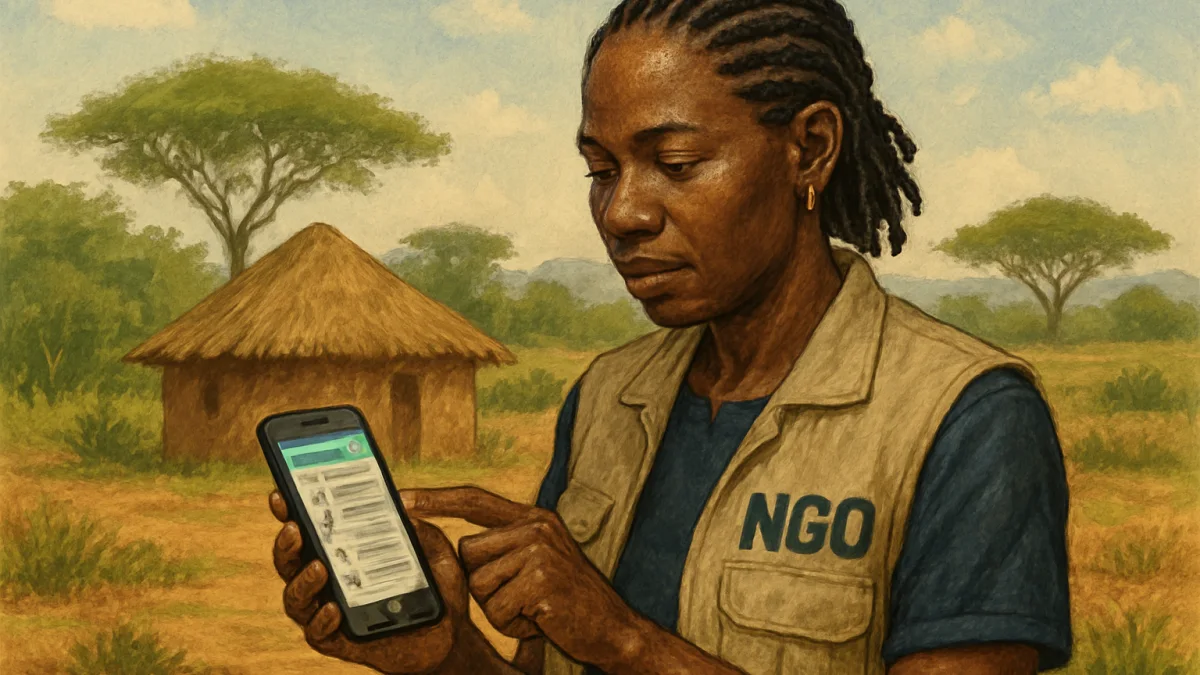
Non-governmental organisations (NGOs) operating in Kenya often conduct field data collection in areas with limited or no internet connectivity. Offline field data collection for NGOs is essential to maintain continuous operations, especially for monitoring and evaluation (M&E), donor reporting, and beneficiary engagement. However, ensuring data integrity and preventing data loss during synchronization when connectivity is restored remains a critical challenge. This article explores practical sync design strategies that Kenyan NGOs can adopt to safeguard data, comply with legal obligations such as the Kenya Data Protection Act, and make informed build-versus-buy decisions.
Why Offline Data Collection Matters for NGOs
Many NGOs work in remote or underserved regions where internet connectivity is unreliable or unavailable. Offline data collection enables field officers to gather information without interruption, ensuring that critical M&E activities and beneficiary data capture continue unhindered. This approach supports timely donor reporting and program adjustments based on real-time insights once data syncs to central systems. Without offline capabilities, NGOs risk data gaps, delays, and inaccuracies that can affect funding and impact assessments.
Key Challenges in Offline Data Collection Sync Design
- Data loss during sync conflicts or interrupted connections
- Ensuring beneficiary consent and data privacy offline
- Maintaining access control and audit trails without constant connectivity
- Interoperability with existing NGO systems and donor platforms
- Compliance with Kenya Data Protection Act obligations
Preventing Data Loss: Best Practices in Sync Design
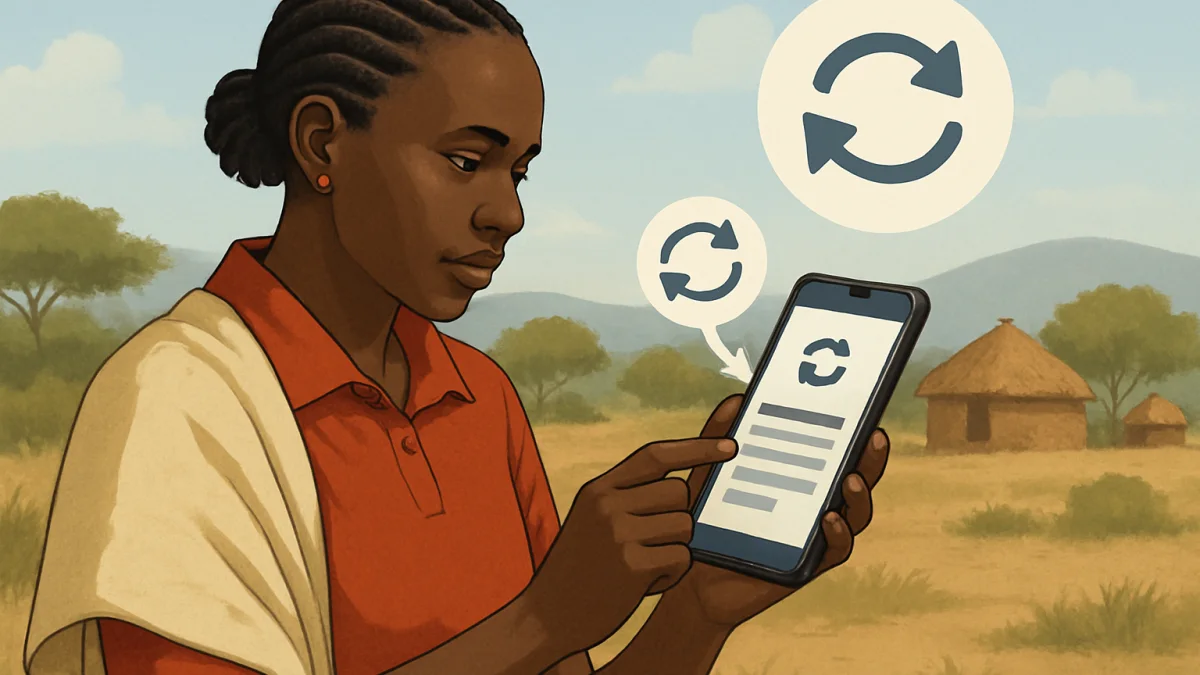
Robust sync design is central to preventing data loss. Key strategies include implementing incremental data syncing that only transfers changed records, conflict resolution mechanisms that flag duplicates or mismatches for manual review, and local data caching with encryption to protect data on devices. Using transaction logs and version control helps track changes and recover data if syncs fail. Additionally, designing apps that queue data for automatic sync when connectivity returns reduces human error and data gaps.
Ensuring Beneficiary Consent and Data Privacy Offline
Offline data collection must respect beneficiary consent, especially when collecting sensitive personal information. Apps should include offline consent capture features, such as digital signatures or checkboxes, and store consent metadata securely. Encryption of stored data on devices and during sync is critical to prevent unauthorized access. NGOs must also provide field officers with clear guidance on data minimization and confidentiality to comply with the Kenya Data Protection Act, which governs personal data processing in Kenya.
Access Control and Audit Trails in Offline Environments
Maintaining strict access control offline requires apps to authenticate users locally, often through cached credentials or biometric options. Role-based access ensures field officers only see data relevant to their tasks. Audit trails should log all data entries, edits, and sync events with timestamps and user IDs, stored securely on the device and synced to central servers. This transparency supports accountability and donor reporting requirements.
Interoperability with NGO Systems and Donor Platforms
Offline data collection solutions must integrate smoothly with existing NGO management information systems (MIS), financial software, and donor reporting platforms. Using open standards and APIs facilitates data exchange and reduces manual data entry errors. For example, syncing offline data into cloud-based ERP or CRM systems enables real-time dashboards and analytics once connectivity is available. NGOs should evaluate interoperability during solution design or procurement to avoid costly custom integrations later.
Compliance with the Kenya Data Protection Act (DPA)
Office of the Data Protection Commissioner
Build Versus Buy: Choosing the Right Offline Data Collection Solution
Qaribuhub Solutions LTD services
Checklist for Effective Offline Field Data Collection
Risks and Mitigation Strategies
- Data loss due to interrupted syncs – mitigate with retry logic and local caching
- Unauthorized data access – mitigate with encryption and access controls
- Non-compliance with data protection laws – mitigate with legal review and training
- User errors in data entry – mitigate with validation and user-friendly UI
- Integration failures – mitigate with thorough testing and use of standards
Next Steps for Kenyan NGOs
Qaribuhub mobile app development services
Conclusion
NGO technology systems is a practical necessity in Kenya’s diverse connectivity landscape. Thoughtful sync design that prevents data loss, respects beneficiary consent, and complies with the Kenya Data Protection Act is essential for credible M&E and donor reporting. NGOs must balance technical capabilities, legal obligations, and operational realities when choosing or building data collection tools. Partnering with experienced software developers can help realise secure, efficient, and compliant offline data collection solutions that enhance programme impact.
Additional Resources
FAQs on NGO technology systems
Q1: How can NGOs ensure data collected offline is secure? A1: NGOs should use encryption for data stored on devices and during sync, implement access controls, and train field staff on data privacy best practices.
Q2: What are the key Kenya Data Protection Act requirements for offline data collection? A2: Key requirements include obtaining informed consent, data minimization, secure storage, and respecting data subjects’ rights, including access and correction.
Q3: Should NGOs build custom apps or buy existing solutions for offline data collection? A3: The decision depends on budget, technical capacity, and specific needs. Custom apps offer flexibility, while existing solutions may be faster to deploy.
Q4: How can NGOs handle sync conflicts when multiple field officers collect data offline? A4: Implement conflict detection and resolution mechanisms, such as versioning and manual review workflows, to ensure data accuracy.
Q5: What interoperability considerations should NGOs keep in mind? A5: NGOs should ensure offline data collection tools can integrate with existing MIS, donor reporting platforms, and financial systems using open standards and APIs.
Q6: How important are audit trails in offline data collection? A6: Audit trails are critical for accountability, enabling NGOs to track data changes, user actions, and support donor reporting and compliance.
Frequently asked questions
How can NGOs ensure data collected offline is secure?
NGOs should use encryption for data stored on devices and during sync, implement access controls, and train field staff on data privacy best practices.
What are the key Kenya Data Protection Act requirements for offline data collection?
Key requirements include obtaining informed consent, data minimization, secure storage, and respecting data subjects’ rights, including access and correction.
Should NGOs build custom apps or buy existing solutions for offline data collection?
The decision depends on budget, technical capacity, and specific needs. Custom apps offer flexibility, while existing solutions may be faster to deploy.
How can NGOs handle sync conflicts when multiple field officers collect data offline?
Implement conflict detection and resolution mechanisms, such as versioning and manual review workflows, to ensure data accuracy.
What interoperability considerations should NGOs keep in mind?
NGOs should ensure offline data collection tools can integrate with existing MIS, donor reporting platforms, and financial systems using open standards and APIs.
How important are audit trails in offline data collection?
Audit trails are critical for accountability, enabling NGOs to track data changes, user actions, and support donor reporting and compliance.
Sources and further reading
- Relevant service scope — Qaribuhub
- Privacy and data handling — Qaribuhub
- Kenya Data Protection Act, 2019 (PDF) — ODPC Kenya
- Office of the Data Protection Commissioner — ODPC Kenya