Understanding NGO Monitoring and Evaluation System Kenya: A Practical Overview
For NGOs operating in Kenya, a robust Monitoring and Evaluation (M&E) system is essential to track program effectiveness, satisfy donor requirements, and ensure beneficiary rights. An NGO Monitoring and Evaluation System Kenya must balance data accuracy, privacy, and operational realities such as offline fieldwork and diverse stakeholder access. This article explores key components including indicators, consent, offline data capture, access control, audit trails, interoperability, and compliance with the Kenya Data Protection Act (KDPA). It also discusses build-versus-buy decisions relevant to Kenyan NGOs.
Key Indicators for Effective Monitoring and Evaluation
Selecting appropriate indicators is foundational to any M&E system. Indicators should be Specific, Measurable, Achievable, Relevant, and Time-bound (SMART). Kenyan NGOs often track indicators such as beneficiary reach, service delivery quality, behavioural change, and financial accountability. Aligning indicators with donor reporting requirements and national standards, such as those from the Kenya National Bureau of Statistics (KNBS), ensures consistency and comparability. Custom software solutions can facilitate indicator tracking with dashboards and automated reports tailored to NGO needs.
Managing Beneficiary Consent in Compliance with Kenya Data Protection Act
Respecting beneficiary consent is both an ethical and legal obligation under the Kenya Data Protection Act, 2019. NGOs must obtain clear, informed consent before collecting personal data, explaining how data will be used, stored, and shared. Consent mechanisms should be integrated into data collection workflows, whether digital or paper-based. Systems should also allow beneficiaries to withdraw consent where applicable. Maintaining detailed consent records supports transparency and audit readiness. For more on KDPA obligations, NGOs can consult the Office of the Data Protection Commissioner (ODPC) [https://www.odpc.go.ke/].
Offline Field Operations and Data Capture Challenges
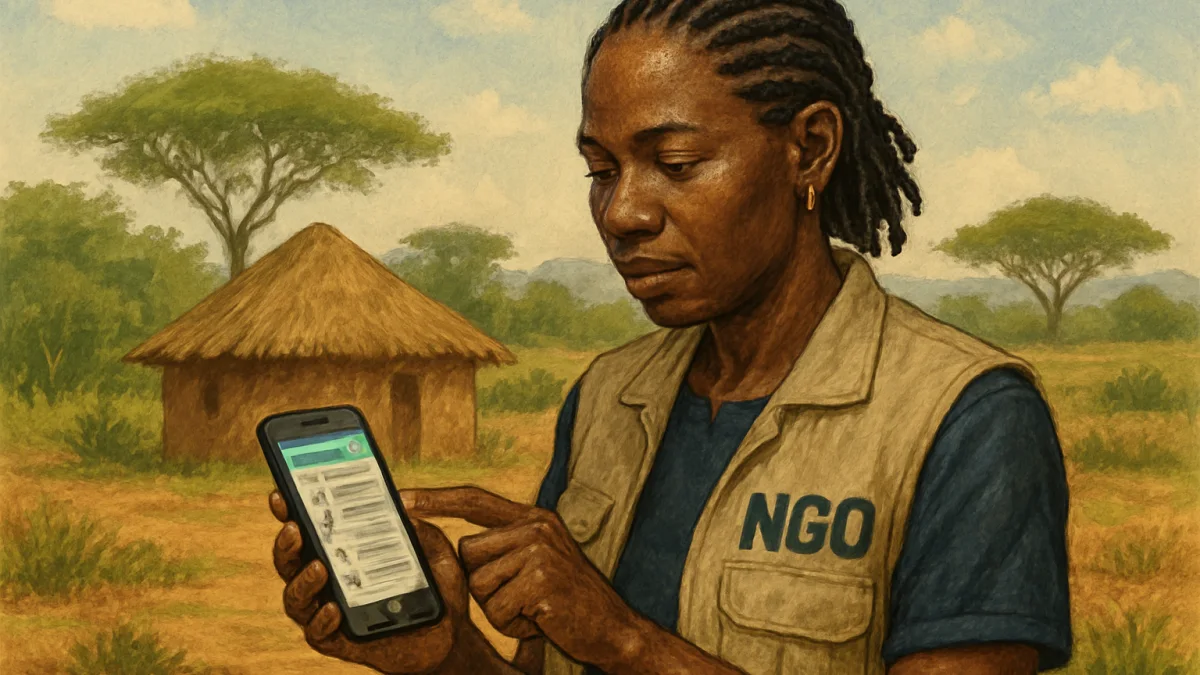
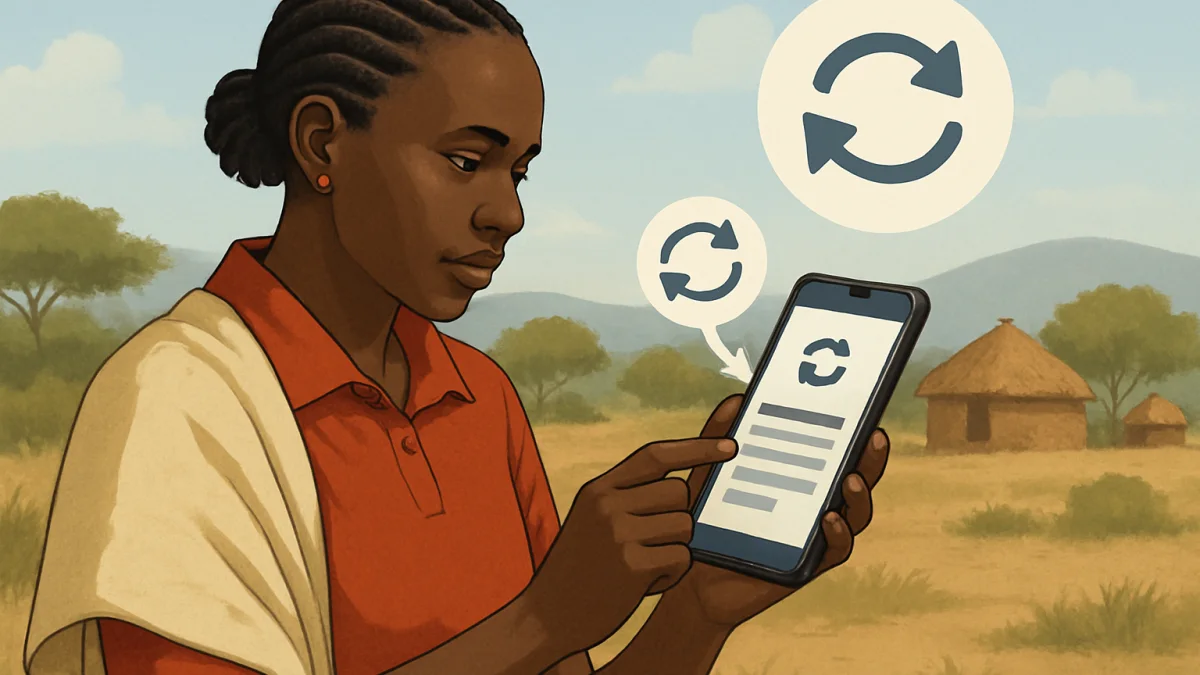
Many NGOs operate in areas with limited or no internet connectivity, making offline data capture critical. Mobile apps designed for Android or iOS can collect data offline and sync automatically when connectivity is restored. This reduces data loss and improves timeliness. Developers should follow platform guidelines such as Android developers documentation [https://developer.android.com/] and Apple App Store Review Guidelines [https://developer.apple.com/app-store/review/guidelines/] to ensure compliance and usability. Offline capability also supports field officer safety and operational continuity.
Access Control and Audit Trails for Data Integrity and Security
Controlling who can view or modify data is essential for protecting sensitive beneficiary information and meeting donor standards. Role-based access control (RBAC) enables NGOs to assign permissions based on staff roles, limiting exposure. Audit trails log user actions, providing accountability and supporting investigations if data breaches or errors occur. Implementing these features in custom software or selecting platforms that support them is a best practice for Kenyan NGOs.
Interoperability with Donor and Government Systems
NGOs often need to export data for donor reporting or integrate with government databases. Interoperability requires adherence to data standards and use of common formats such as CSV, JSON, or XML. APIs can facilitate automated data exchange. For example, integrating with Safaricom’s Daraja API [https://developer.safaricom.co.ke/] enables mobile payment tracking within M&E systems. Planning for interoperability reduces duplication and improves reporting accuracy.
Build Versus Buy: Choosing the Right M&E System Approach
Kenyan NGOs face a choice between building custom M&E software or purchasing off-the-shelf solutions. Building allows tailored features, integration with existing systems, and control over data privacy. However, it requires upfront investment and ongoing maintenance. Buying can be faster and cheaper initially but may lack flexibility or raise data sovereignty concerns. Qaribuhub Solutions LTD offers custom software development services that can help NGOs design systems aligned with their specific needs and compliance requirements [https://www.qaribuhub.co.ke/services.html]. Evaluating total cost of ownership and organisational capacity is critical in this decision.
Checklist for Implementing an NGO Monitoring and Evaluation System in Kenya
Risks and Mitigation Strategies
Next Steps for Kenyan NGOs
NGOs interested in enhancing their Monitoring and Evaluation capabilities should start by assessing current systems against the checklist above. Engaging software developers with experience in Kenyan NGO contexts can help tailor solutions that respect legal and operational realities. Qaribuhub Solutions LTD provides consultations and custom software development services designed to meet these needs. For more information on available services and packages, visit our services page and packages overview [https://www.qaribuhub.co.ke/packages.html].
Summary
A well-designed NGO technology systems is vital for program success, donor confidence, and beneficiary trust. By carefully selecting indicators, managing consent, enabling offline data capture, enforcing access controls, and ensuring interoperability, NGOs can build effective M&E systems that comply with Kenya’s Data Protection Act. Whether building custom software or adopting existing platforms, clear planning and adherence to best practices will support sustainable impact measurement.
FAQs on NGO technology systems
Q: What are the essential features of an NGO M&E system in Kenya? A: Key features include SMART indicators, beneficiary consent management, offline data capture, role-based access control, audit trails, and interoperability with donor and government systems.
Q: How does the Kenya Data Protection Act affect NGO data collection? A: It requires NGOs to obtain informed consent, protect personal data, allow data access and correction, and report breaches to the Office of the Data Protection Commissioner.
Q: Can NGOs operate M&E systems offline? A: Yes, mobile apps can collect data offline and sync when connectivity is available, ensuring continuous field operations in remote areas.
Q: Should NGOs build or buy M&E software? A: The choice depends on budget, timeline, technical capacity, and specific needs. Custom builds offer flexibility; off-the-shelf solutions may be quicker to deploy.
Q: How can NGOs ensure data security in M&E systems? A: Implement role-based access control, maintain audit trails, encrypt sensitive data, and train staff on data protection policies.
Q: What interoperability standards should NGOs consider? A: Use common data formats like CSV, JSON, and XML, and APIs for automated data exchange with donors and government agencies.
Sources
Frequently asked questions
What are the essential features of an NGO M&E system in Kenya?
Key features include SMART indicators, beneficiary consent management, offline data capture, role-based access control, audit trails, and interoperability with donor and government systems.
How does the Kenya Data Protection Act affect NGO data collection?
It requires NGOs to obtain informed consent, protect personal data, allow data access and correction, and report breaches to the Office of the Data Protection Commissioner.
Can NGOs operate M&E systems offline?
Yes, mobile apps can collect data offline and sync when connectivity is available, ensuring continuous field operations in remote areas.
Should NGOs build or buy M&E software?
The choice depends on budget, timeline, technical capacity, and specific needs. Custom builds offer flexibility; off-the-shelf solutions may be quicker to deploy.
How can NGOs ensure data security in M&E systems?
Implement role-based access control, maintain audit trails, encrypt sensitive data, and train staff on data protection policies.
What interoperability standards should NGOs consider?
Use common data formats like CSV, JSON, and XML, and APIs for automated data exchange with donors and government agencies.
Sources and further reading
- Relevant service scope — Qaribuhub
- Public packages and cost ranges — Qaribuhub
- Privacy and data handling — Qaribuhub
- Kenya Data Protection Act, 2019 (PDF) — ODPC Kenya
- Office of the Data Protection Commissioner — ODPC Kenya
- Kenya National Bureau of Statistics — KNBS
- Safaricom Daraja developers — Safaricom
- Android developers documentation — Google