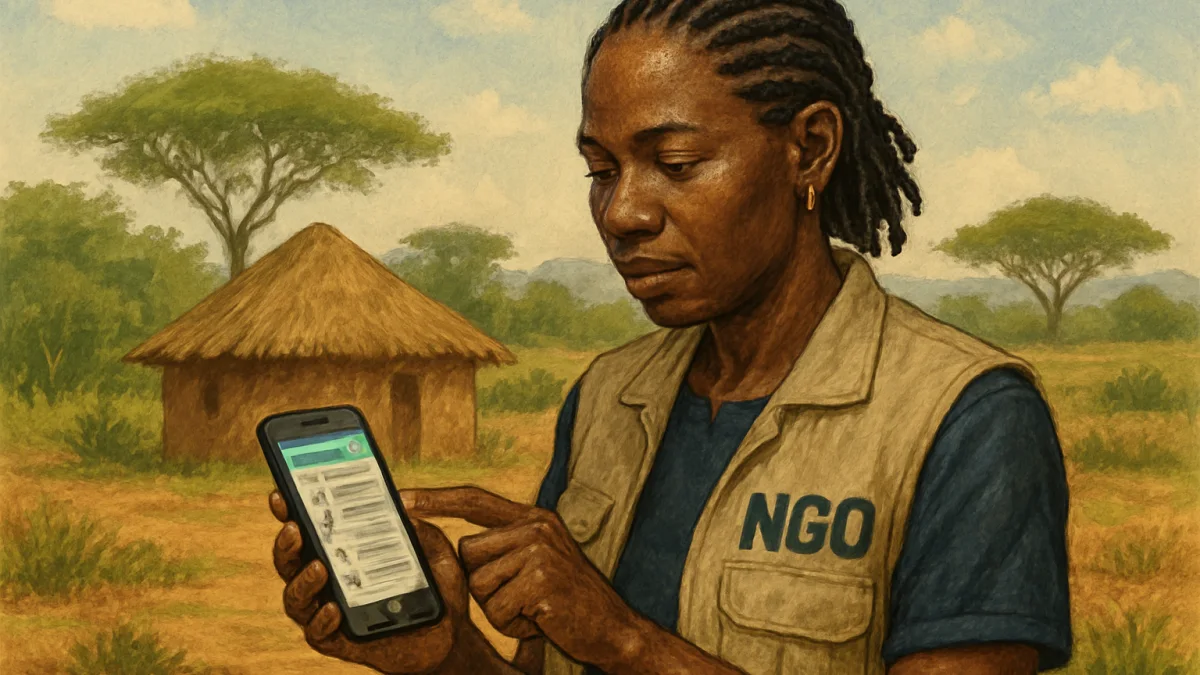
Offline field data collection for NGOs
Understanding NGO technology systems
Key Components of the Offline Data Collection Process
Costs Involved in Offline Field Data Collection Solutions
Build Versus Buy: Making the Right Choice
Compliance with Kenya Data Protection Act (KDPA)
Managing Beneficiary Consent and Data Privacy
Interoperability and Integration with NGO Systems
custom software and mobile app development
Risks and Challenges in Offline Field Data Collection
- Data loss or corruption during offline storage or syncing.
- Security breaches if devices are lost or stolen.
- Inaccurate data due to user error or insufficient training.
- Delays in data syncing affecting timely reporting.
- Non-compliance with data protection regulations.
- Technical issues with device compatibility or software bugs.
- Costs overruns if scope or requirements change mid-project.
Buyer Checklist for Offline Field Data Collection Solutions
- Does the solution support full offline data capture and secure syncing?
- Can it capture and manage beneficiary consent in compliance with KDPA?
- Are access controls and audit trails robust and configurable?
- Is the solution interoperable with existing NGO systems?
- What training and support does the vendor provide?
- What are the total costs including licenses, development, and maintenance?
- How does the solution handle device loss or data recovery?
- Is the user interface intuitive for field officers with varying digital skills?
- Does the vendor have experience working with NGOs and understanding their workflows?
- What security measures protect data at rest and in transit?
Next Steps for Kenyan NGOs
Summary
Frequently Asked Questions (FAQs)
Frequently asked questions
How does offline data collection improve NGO operations in remote areas?
It enables continuous data capture without relying on internet connectivity, reducing delays and data loss, thus supporting timely decision-making and reporting.
What are the main legal considerations for offline data collection in Kenya?
NGOs must comply with the Kenya Data Protection Act, ensuring lawful processing, informed consent, data security, and respecting beneficiary privacy rights.
Can Qaribuhub develop custom offline data collection apps for NGOs?
Yes. Qaribuhub offers mobile app development and custom software services tailored to NGO needs, including offline capabilities and integration with existing systems.
What training is needed for field officers using offline data collection tools?
Training should cover device use, data entry accuracy, consent procedures, privacy principles, and troubleshooting syncing issues to ensure data quality and compliance.
How does offline data syncing work?
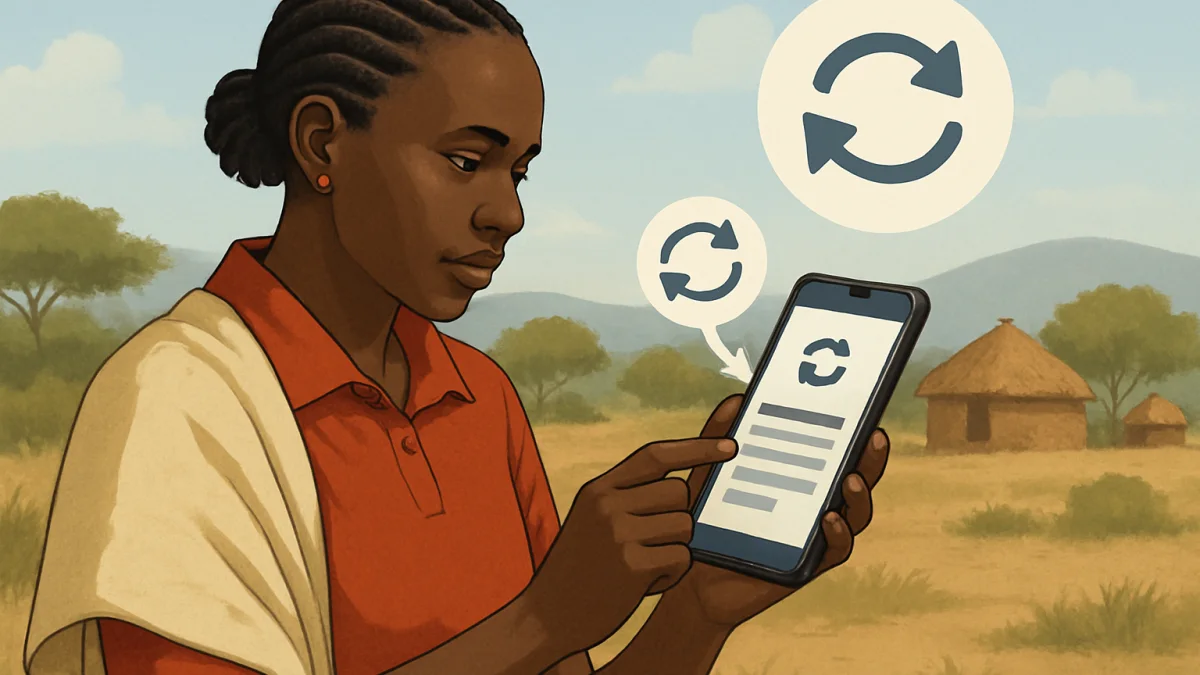
Data collected offline is stored locally on devices and uploaded securely to central servers once internet connectivity is available, ensuring no data is lost during offline periods.
What security measures protect offline data on devices?
Encryption of data at rest, secure authentication, access controls, and remote wipe capabilities help protect sensitive information on lost or stolen devices.
Sources and further reading
- Relevant service scope — Qaribuhub
- Public packages and cost ranges — Qaribuhub
- Project delivery questions — Qaribuhub
- Privacy and data handling — Qaribuhub
- Company capabilities and contact details — Qaribuhub