Introduction to NGO Monitoring and Evaluation System Kenya
For NGOs operating in Kenya, a robust Monitoring and Evaluation (M&E) system is essential to track project progress, report to donors, and ensure accountability to beneficiaries. An NGO Monitoring and Evaluation System Kenya helps organisations collect, analyse, and report data effectively while managing compliance with local regulations such as the Kenya Data Protection Act (KDPA). This article explores the costs, implementation process, risks, and a practical buyer checklist to help Kenyan NGOs make informed decisions about their M&E technology solutions.
Why Monitoring and Evaluation Matters for Kenyan NGOs
Monitoring and Evaluation enable NGOs to measure the effectiveness of their programmes, ensure donor requirements are met, and improve future project design. In Kenya, donors increasingly demand transparent, timely, and accurate reporting. M&E systems also support beneficiary consent management, data security, and compliance with the KDPA, which governs personal data handling in Kenya.
Key Features of an Effective NGO Monitoring and Evaluation System
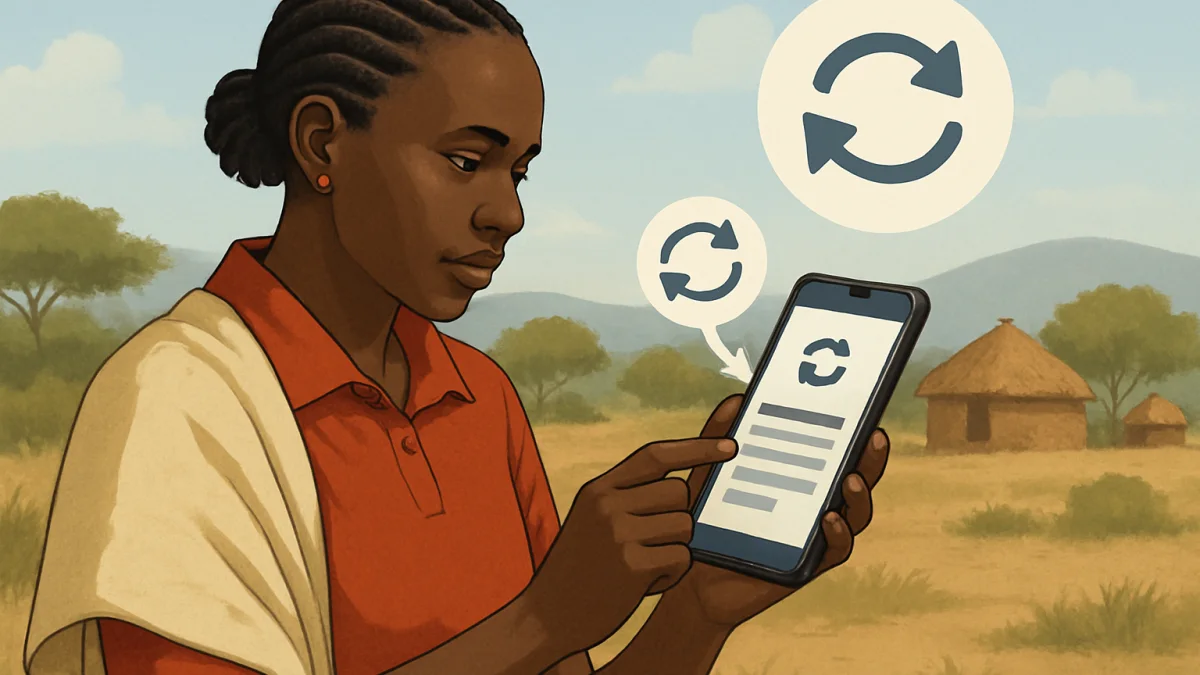
- Offline Field Operations Support: Enables data collection in remote areas without internet connectivity, syncing when online.
- Beneficiary Consent Management: Records and manages consent to comply with privacy laws.
- Access Control and Audit Trails: Ensures only authorised users access data and logs all changes for transparency.
- Interoperability: Integrates with other NGO systems such as finance, CRM, or payment platforms like M-Pesa.
- Donor Reporting: Generates customised reports to meet diverse donor requirements efficiently.
- Data Security and Kenya Data Protection Act Compliance: Implements safeguards to protect personal data and meet legal obligations.
These features collectively ensure that NGOs can operate efficiently, protect sensitive information, and maintain trust with stakeholders.
The Implementation Process for NGO M&E Systems in Kenya
Implementing an NGO technology systems typically involves several stages: needs assessment, system design, development or selection, deployment, training, and ongoing support. NGOs must assess their reporting requirements, field conditions, and data privacy needs upfront. This helps determine whether to build a custom solution or buy an existing system.
Given the complexity of donor reporting and the need for offline capabilities in rural Kenya, many NGOs opt for tailored software development services. Qaribuhub Solutions LTD offers such custom software development, including mobile apps for offline data collection and integration with payment systems like M-Pesa, which can streamline financial reporting.
Costs Associated with NGO Monitoring and Evaluation Systems
The cost of implementing an NGO Monitoring and Evaluation System in Kenya varies widely depending on scope, complexity, and whether the system is custom-built or off-the-shelf. Basic packages for data collection and reporting start from moderate price points, while advanced systems with offline support, access control, and interoperability features cost more.
Qaribuhub offers public packages with transparent cost ranges that can serve as a useful benchmark. Custom software projects typically require a detailed consultation to provide accurate estimates based on specific NGO needs and scale.
Risks and Challenges in Adopting M&E Systems
- Data Privacy Breaches: Non-compliance with the Kenya Data Protection Act can lead to legal penalties and loss of trust.
- Poor User Adoption: Complex systems without adequate training can result in low usage and inaccurate data.
- Connectivity Issues: Lack of reliable internet in rural areas can disrupt real-time data collection without offline capabilities.
- Integration Difficulties: Challenges connecting M&E systems with existing finance or CRM software may cause inefficiencies.
- Cost Overruns: Underestimating development or licensing costs can strain NGO budgets.
- Inadequate Audit Trails: Without proper logging, accountability and data integrity suffer.
Mitigating these risks requires careful planning, selecting the right technology partner, and ongoing training and support.
Build Versus Buy: Making the Right Choice
Kenyan NGOs face the decision of building a custom M&E system or buying an existing solution. Off-the-shelf products can be quicker to deploy and less costly initially but may lack specific features like offline field data capture or tailored donor reporting formats.
Custom-built systems, such as those developed by Qaribuhub, provide flexibility to meet unique operational and compliance needs but require more investment and longer timelines. NGOs should evaluate their budget, technical capacity, and long-term goals before deciding.
NGO technology systems Buyer Checklist
- Does the system support offline data collection and syncing?
- Can beneficiary consent be recorded and managed compliantly?
- Are access controls and audit trails robust and transparent?
- Is the system interoperable with existing NGO software and payment platforms like M-Pesa?
- Does it facilitate customised donor reporting efficiently?
- How does the system ensure compliance with the Kenya Data Protection Act?
- What are the total costs including licensing, development, training, and support?
- Is there a clear implementation roadmap and timeline?
- What training and ongoing support services are provided?
- Can the system scale as the NGO grows or project scope changes?
Using this checklist helps NGOs avoid common pitfalls and select a system that truly supports their mission and operational realities.
Next Steps for Kenyan NGOs
NGOs interested in upgrading or implementing an M&E system should start with a needs assessment and consult experienced software developers familiar with the Kenyan NGO sector and regulatory environment. Qaribuhub Solutions LTD provides consultations and custom software development services tailored to NGO requirements, including mobile apps, offline workflows, and secure data handling.
Reviewing Qaribuhub’s public packages and FAQs can provide initial guidance on costs and project delivery approaches. Engaging early with technology providers helps clarify expectations and budget alignment.
Conclusion
An effective NGO technology systems is vital for transparent donor reporting, beneficiary protection, and operational efficiency. Balancing cost, compliance, and functionality requires careful planning and a clear understanding of organisational needs. Whether building custom software or selecting an existing product, Kenyan NGOs should prioritise offline capabilities, data privacy, access control, and interoperability to maximise impact and sustainability.
Frequently Asked Questions (FAQs)
- What is the Kenya Data Protection Act and how does it affect NGO M&E systems?
- How can offline data collection be managed effectively in rural Kenya?
- What are the benefits of custom-built M&E software versus off-the-shelf solutions?
- How does Qaribuhub ensure data security and privacy in its software?
- Can M&E systems integrate with M-Pesa for financial reporting?
- What training is typically provided for NGO staff using new M&E systems?
- How long does it take to implement a custom M&E system?
- What ongoing support options are available after deployment?
For detailed answers to these questions, NGOs can consult Qaribuhub’s FAQ page or contact their team directly.
Frequently asked questions
What is the Kenya Data Protection Act and how does it affect NGO M&E systems?
The Kenya Data Protection Act regulates the collection, storage, and use of personal data. NGO M&E systems must comply by securing beneficiary data, managing consent, and ensuring data is not misused or exposed.
How can offline data collection be managed effectively in rural Kenya?
Effective offline data collection requires mobile apps that store data locally and sync with central servers when internet connectivity is available, ensuring continuous field operations.
What are the benefits of custom-built M&E software versus off-the-shelf solutions?
Custom-built software can be tailored to specific NGO workflows, donor reporting formats, and compliance needs, while off-the-shelf solutions may offer quicker deployment but less flexibility.
How does Qaribuhub ensure data security and privacy in its software?
Qaribuhub implements access controls, audit trails, encryption, and compliance with the Kenya Data Protection Act to protect data privacy and security.
Can M&E systems integrate with M-Pesa for financial reporting?
Yes, integration with M-Pesa payment platforms is possible to streamline financial data collection and reporting within the M&E system.
What training is typically provided for NGO staff using new M&E systems?
Training includes user onboarding, data entry procedures, report generation, and ongoing support to ensure effective use of the system.
How long does it take to implement a custom M&E system?
Implementation timelines vary but typically range from a few weeks to several months depending on complexity and scope.
What ongoing support options are available after deployment?
Ongoing support may include software updates, troubleshooting, user support, and system enhancements as needed.
Sources and further reading
- Relevant service scope — Qaribuhub
- Public packages and cost ranges — Qaribuhub
- Project delivery questions — Qaribuhub
- Privacy and data handling — Qaribuhub
- Company capabilities and contact details — Qaribuhub