Introduction to Mpesa STK Push Integration Development in Kenya
Mpesa STK Push integration is a critical feature for Kenyan businesses aiming to accept payments seamlessly via mobile money. For organisations seeking a skilled Mpesa STK Push integration developer, understanding the technical nuances such as callbacks, idempotency, and finance exports is essential. This guide provides a practical framework for evaluating engineering capability, discovery, architecture, security, data ownership, integrations, quality assurance, deployment, support, total cost, and measurable outcomes. It is designed to help decision-makers in Kenyan organisations make informed choices without assuming any official Safaricom partnership or endorsement.
Understanding the Mpesa STK Push Process
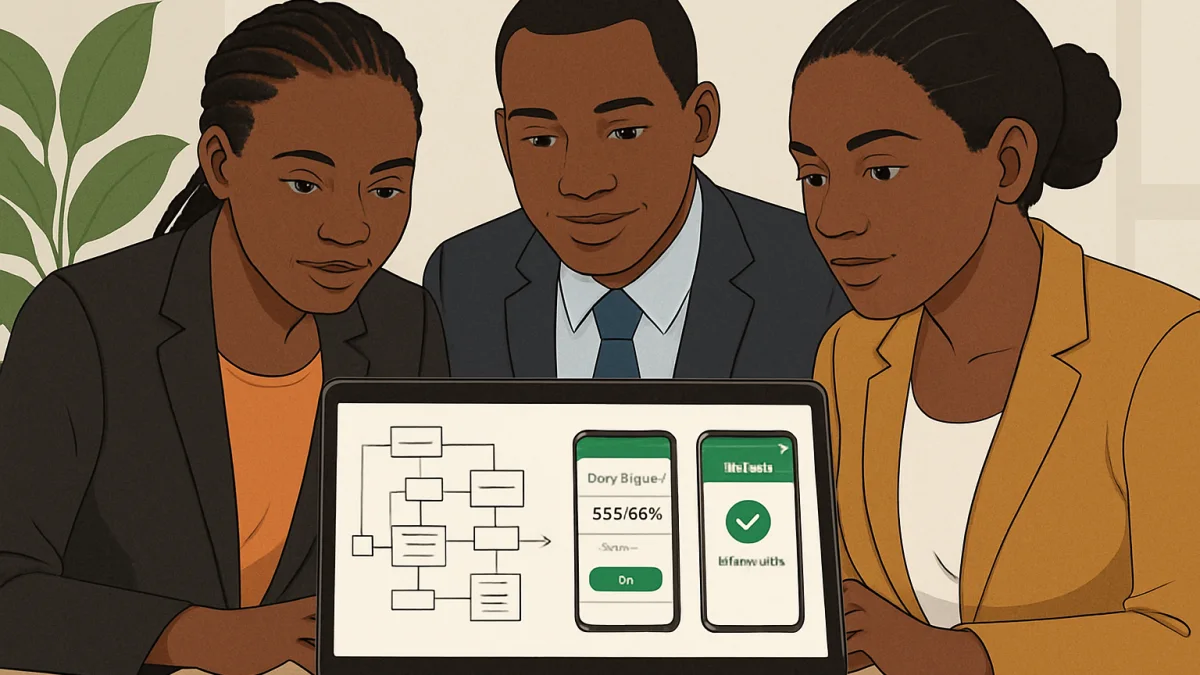
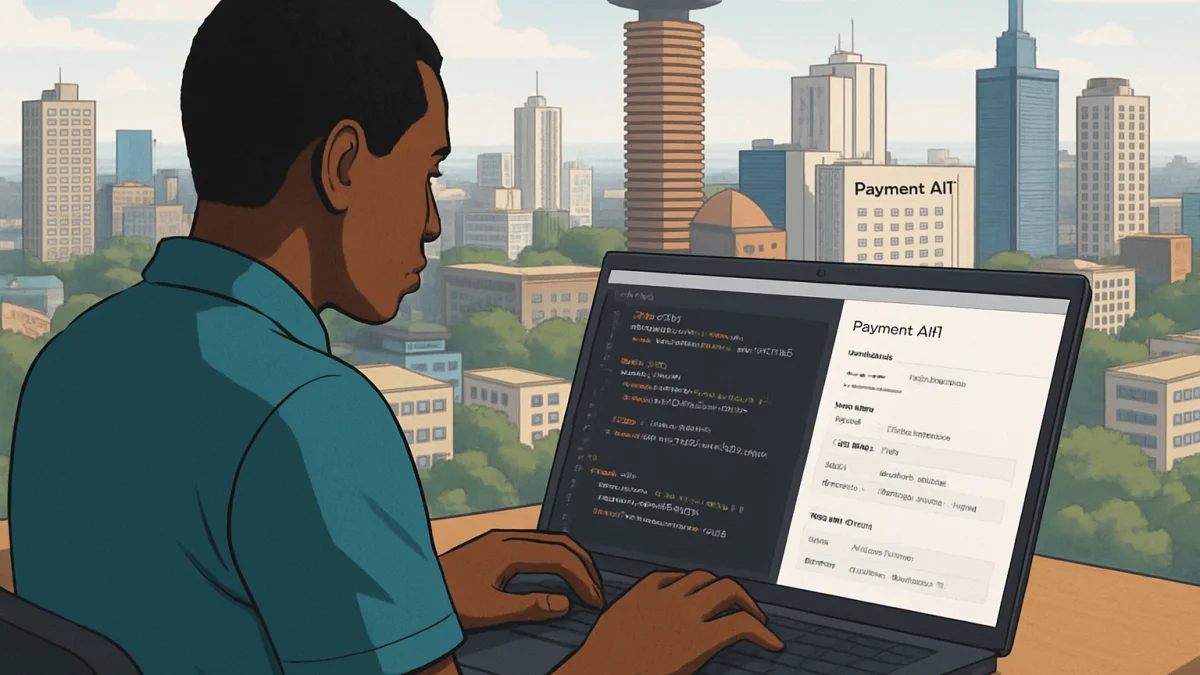
The Mpesa STK Push process enables a merchant to initiate a payment prompt directly on a customer’s mobile device. This requires a developer to integrate with Safaricom’s Daraja API, handling requests and responses securely and reliably. Key technical considerations include handling asynchronous callbacks from Safaricom, ensuring idempotency to prevent duplicate transactions, and managing finance exports for reconciliation and reporting.
Callbacks: Reliable Handling of Payment Notifications
Callbacks are server-to-server notifications sent by Safaricom to inform your system of payment status updates. A robust Mpesa STK Push integration developer must implement secure endpoints to receive these callbacks, validate their authenticity, and update transaction records accordingly. Proper handling includes responding with appropriate HTTP status codes and logging callback data for audit trails. Failure to manage callbacks correctly can lead to inconsistent payment states and customer dissatisfaction.
Idempotency: Preventing Duplicate Transactions
Idempotency ensures that repeated requests or callbacks do not result in duplicate charges or inconsistent data. Developers should design their integration to recognize unique transaction identifiers and ignore repeated notifications or retries. This is especially important in mobile money payments where network interruptions or delays may cause multiple callback attempts. Implementing idempotency safeguards financial integrity and builds trust with customers.
Finance Exports: Accurate Reporting and Reconciliation
A comprehensive Mpesa STK Push integration includes exporting transaction data in formats suitable for accounting and reconciliation. Developers should provide configurable finance exports that align with the organisation’s ERP or accounting software. This may involve CSV, Excel, or API-based exports with detailed transaction metadata. Accurate finance exports reduce manual errors and support compliance with Kenyan financial regulations.
Assessing Engineering Capability and Discovery
When selecting an software development services, evaluate their experience with the Daraja API and related technologies such as RESTful services, JSON parsing, and secure webhooks. A thorough discovery phase should identify business requirements, payment flows, error handling, and reporting needs. Developers who engage in detailed discovery reduce risks of scope creep and technical debt.
Architecture and Security Considerations
Kenya Data Protection Act, 2019 (PDF)
Data Ownership and Integration with Existing Systems
Clear agreements on data ownership and access rights are essential. Organisations should ensure that transaction data remains accessible and exportable at any time. Integration with existing ERP, CRM, or accounting systems should be planned to automate workflows and reduce manual reconciliation. Developers familiar with common platforms like Odoo, SAP, or Microsoft Dynamics add value in this area.
Quality Assurance and Testing
Deployment and Support
Deployment should follow best practices with version control, rollback plans, and monitoring of live transactions. Post-deployment support is crucial to handle issues such as API changes, callback failures, or security patches. Choose developers or teams offering clear SLAs and ongoing maintenance options to ensure continuity.
Total Cost of Ownership and Measurable Outcomes
Public packages and cost ranges
Checklist for Evaluating Mpesa STK Push Integration Developers
Common Risks and How to Mitigate Them
- Incomplete callback handling causing payment status inconsistencies
- Lack of idempotency leading to duplicate charges
- Poor security exposing sensitive customer data
- Inadequate finance exports complicating reconciliation
- Unclear data ownership risking compliance breaches
- Insufficient testing resulting in production failures
- Limited post-deployment support causing downtime
Next Steps for Kenyan Organisations
services/mpesa-payment-integration/about.html
Summary
Selecting the right software development services requires a balanced focus on technical skills, security, data management, and business outcomes. Understanding callbacks, idempotency, and finance exports is central to building a reliable payment system. Kenyan organisations should prioritise developers who demonstrate transparency, compliance, and support to ensure successful integration and operational continuity.
Frequently asked questions
What is an Mpesa STK Push integration developer?
An Mpesa STK Push integration developer is a software engineer who builds systems that connect business applications to Safaricom’s Mpesa payment platform using the STK Push API, enabling mobile payment prompts to customers.
Why is idempotency important in Mpesa STK Push integrations?
Idempotency prevents duplicate transactions by ensuring that repeated requests or callbacks with the same transaction ID do not create multiple charges, protecting both the business and customers.
How do callbacks work in Mpesa STK Push integration?
Callbacks are notifications sent by Safaricom’s servers to the merchant’s system to confirm payment status updates. Proper handling ensures accurate transaction records and customer notifications.
What security measures should be implemented for Mpesa STK Push integration?
Security measures include using HTTPS endpoints, validating callback authenticity, encrypting sensitive data, managing API keys securely, and complying with Kenya’s Data Protection Act.
Can Mpesa STK Push integration developers provide finance exports?
Yes, developers should provide configurable finance exports in formats compatible with accounting software to facilitate reconciliation and reporting.
How do I assess the total cost of Mpesa STK Push integration?
Consider development fees, hosting, support, maintenance, and potential future enhancements. Transparent pricing and clear deliverables help estimate total cost of ownership.
Where can I find more information about Mpesa payment integration services?
You can visit Qaribuhub’s Mpesa payment integration service page at /services/mpesa-payment-integration/ for detailed information and contact options.
Sources and further reading
- Relevant service scope — Qaribuhub
- Public packages and cost ranges — Qaribuhub
- Kenya Data Protection Act, 2019 (PDF) — ODPC Kenya
- Safaricom Daraja developers — Safaricom