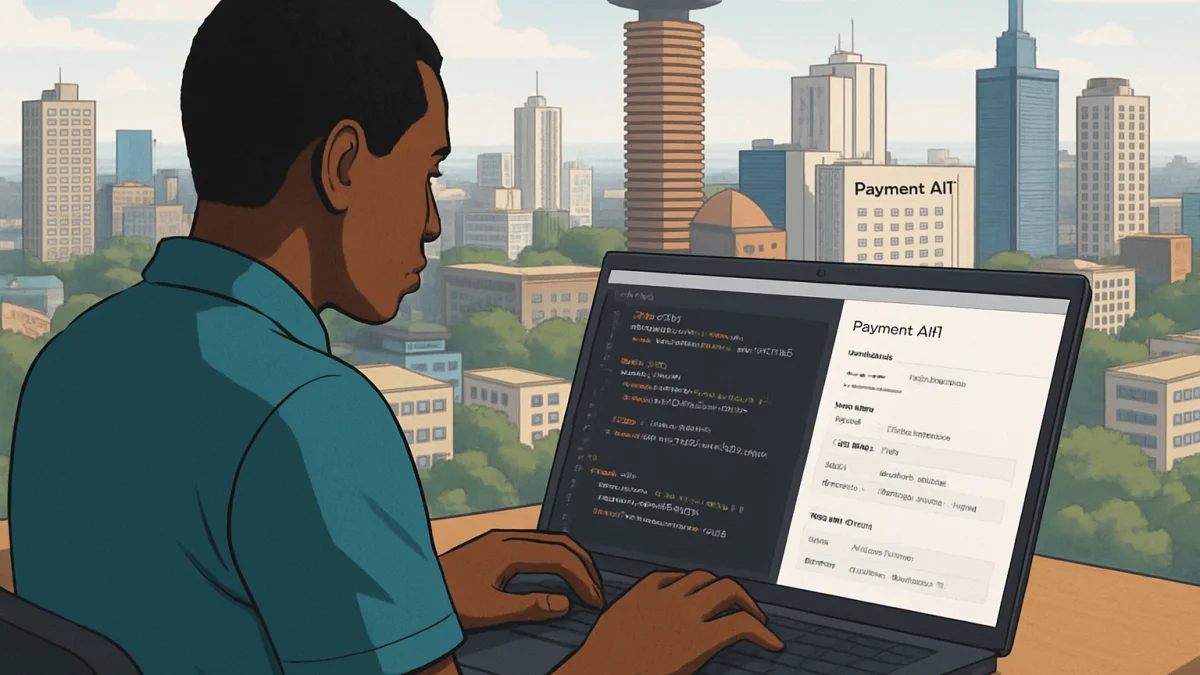
Understanding Custom ERP Software for Logistics in Kenya
Custom ERP software for logistics Kenya is designed to streamline operations such as trip scheduling, fuel management, and client engagement through portals tailored to local business needs. Unlike off-the-shelf solutions, custom software can address unique challenges faced by Kenyan logistics companies, including fluctuating fuel prices, complex route planning, and client communication preferences. However, selecting the right software requires careful assessment of multiple factors to ensure it delivers measurable business value.
Key Considerations When Assessing Engineering Capability
Qaribuhub company capabilities and contact details
Discovery and Requirements Gathering
Architecture and Scalability
The software architecture should support modularity, allowing components like trip scheduling, fuel management, and client portals to operate independently yet cohesively. This facilitates easier maintenance and future enhancements. Cloud-native architectures or hybrid models can offer scalability and high availability, crucial for logistics firms with fluctuating workloads. Consider whether the system supports multi-user roles and permissions to secure sensitive operational data.
Security and Data Ownership
Kenya Data Protection Act, 2019 (PDF)
Integrations with Payment and Other Systems
Quality Assurance and Testing
Deployment and Support
Custom software ERP and CRM services
Total Cost of Ownership and Measurable Outcomes
Public packages and cost ranges
Checklist for Selecting Custom ERP Software for Logistics Kenya
Risks to Watch Out For
Next Steps for Kenyan Logistics Companies
Custom software ERP and CRM services
Summary
software development services can transform operational efficiency by automating trip management, optimizing fuel usage, and enhancing client interactions. Kenyan buyers must carefully evaluate engineering expertise, discovery processes, architecture, security, integrations, QA, deployment, support, costs, and outcomes. Adhering to local regulations like the Data Protection Act and leveraging secure payment integrations such as Daraja APIs are essential. A structured selection approach reduces risks and maximizes return on investment.
Frequently Asked Questions
Q: How does custom ERP software improve fuel management for logistics companies? A: It enables real-time tracking of fuel consumption, automates fuel purchase approvals, and provides analytics to identify inefficiencies, helping reduce costs and prevent misuse.
Q: What security standards should I expect in a logistics ERP system? A: Look for data encryption, secure user authentication, compliance with Kenya’s Data Protection Act, and regular security audits to protect sensitive information.
Q: Can custom ERP software integrate with M-Pesa payments? A: Yes, through Safaricom’s Daraja API, custom ERP systems can securely process payments, automate reconciliations, and provide transaction reporting without implying any official partnership.
Public packages and cost ranges
Q: How long does it take to deploy a custom ERP solution? A: Deployment timelines depend on project size and complexity but typically range from a few months to over six months, including discovery, development, testing, and rollout phases.
Frequently asked questions
How does custom ERP software improve fuel management for logistics companies?
It enables real-time tracking of fuel consumption, automates fuel purchase approvals, and provides analytics to identify inefficiencies, helping reduce costs and prevent misuse.
What security standards should I expect in a logistics ERP system?
Look for data encryption, secure user authentication, compliance with Kenya’s Data Protection Act, and regular security audits to protect sensitive information.
Can custom ERP software integrate with M-Pesa payments?
Yes, through Safaricom’s Daraja API, custom ERP systems can securely process payments, automate reconciliations, and provide transaction reporting without implying any official partnership.
What are typical costs involved in developing custom ERP software?
Costs vary based on scope, complexity, and support needs. Transparent pricing models, including development, hosting, and maintenance fees, should be provided upfront. Qaribuhub offers public packages for reference.
How long does it take to deploy a custom ERP solution?
Deployment timelines depend on project size and complexity but typically range from a few months to over six months, including discovery, development, testing, and rollout phases.
Sources and further reading
- Relevant service scope — Qaribuhub
- Public packages and cost ranges — Qaribuhub
- Project delivery questions — Qaribuhub
- Company capabilities and contact details — Qaribuhub
- Kenya Data Protection Act, 2019 (PDF) — ODPC Kenya
- Safaricom Daraja developers — Safaricom